Ecotherapy and Nature Immersion
CoRE’s Environmental Education Centre, where all who occupy the space work symbiotically with the environment has been created as a ‘Sanctuary for Young People’. The range of environments young people can access at CoRE provide the perfect immersive conditions for re-engagement and restoration.
Ecotherapy: Green Prescriptions
There is a wide range of evidence demonstrating the physical and mental health benefits of having access to green spaces, water, animals, and nature. See Environmental Education Centre for further details regarding the facilities, spaces and animals students have access to at CoRE.
“There is a direct therapeutic benefit to be gained from engaging with animals” (Antonioli and Reveley, 2005)
“Gardening provides relief from acute stress” (van den Berg and Custers, 2011)
Therapies
Ecotherapy and animal assisted therapy have both been shown to have positive effects with reducing anxiety, improving sleep quality, reducing symptoms of ADHD and reducing the symptoms of stress post trauma (Berger, 2008; Taylor and Kuo, 2009; van den Berg and Custers, 2011).
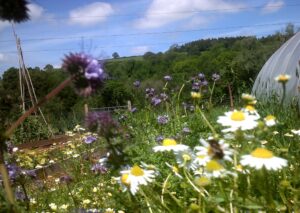
Ecotherapy and Nature Immersion:
There are a range of ecological activities that young people can undertake as an activity at CoRE from gardening to nature walks.
Along with our skilled mentors, young people can learn more about the natural world around them, but also build meaningful relationships based on how they interact with the flora and fauna around them.
It has been shown that just 2 hours of immersion can boost your immune system for up to 1 month (Ivans, 2018). Nature immersion encourages students to engage with the natural world around them through a range of practical activities.
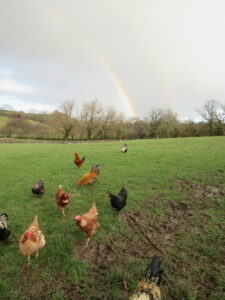
Within our framework, students can spend up to 90% of their time at CoRE outside.
Further information regarding CoRE’s Philosophy can be found here.
Animal Therapy:
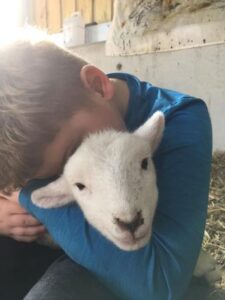
Students at CoRE have access to a wide range of animals and have the choice of which animals they would like to work with. Caring for animals has been shown to improve behaviour, reduce stress and anxiety, and increase feelings of empathy (Fedor, 2018).
Interactions with the animals develop transferable skills which can positively impact other areas of young people’s lives such as communication and interaction with peers, relationship building, self care and self-esteem (Perkins, 2018, Schuck et al., 2018).
Learn more about the animals young people have access to here.
Experiential Learning
The philosophy at CoRE is that students learn best when they are actively involved in the process. For the most part this involves a hands-on, practical element that teaches the whole body. For this reason, our learning takes place outside as much as possible, without the constraints of the physical boundaries of a classroom.
By learning through doing, students can fully understand the processes from start to finish, appreciating the physical skills as well as the theoretical knowledge needed to achieve a goal. 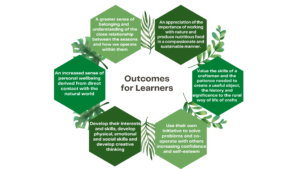
You must be logged in to post a comment.